Beginner mahjong guide
What to expect at your first mahjong lesson
You do not need to memorize the card, own a tile set, or know the difference between a bam and a crak before you arrive. A good beginner lesson starts at the very beginning and gets you playing one step at a time.
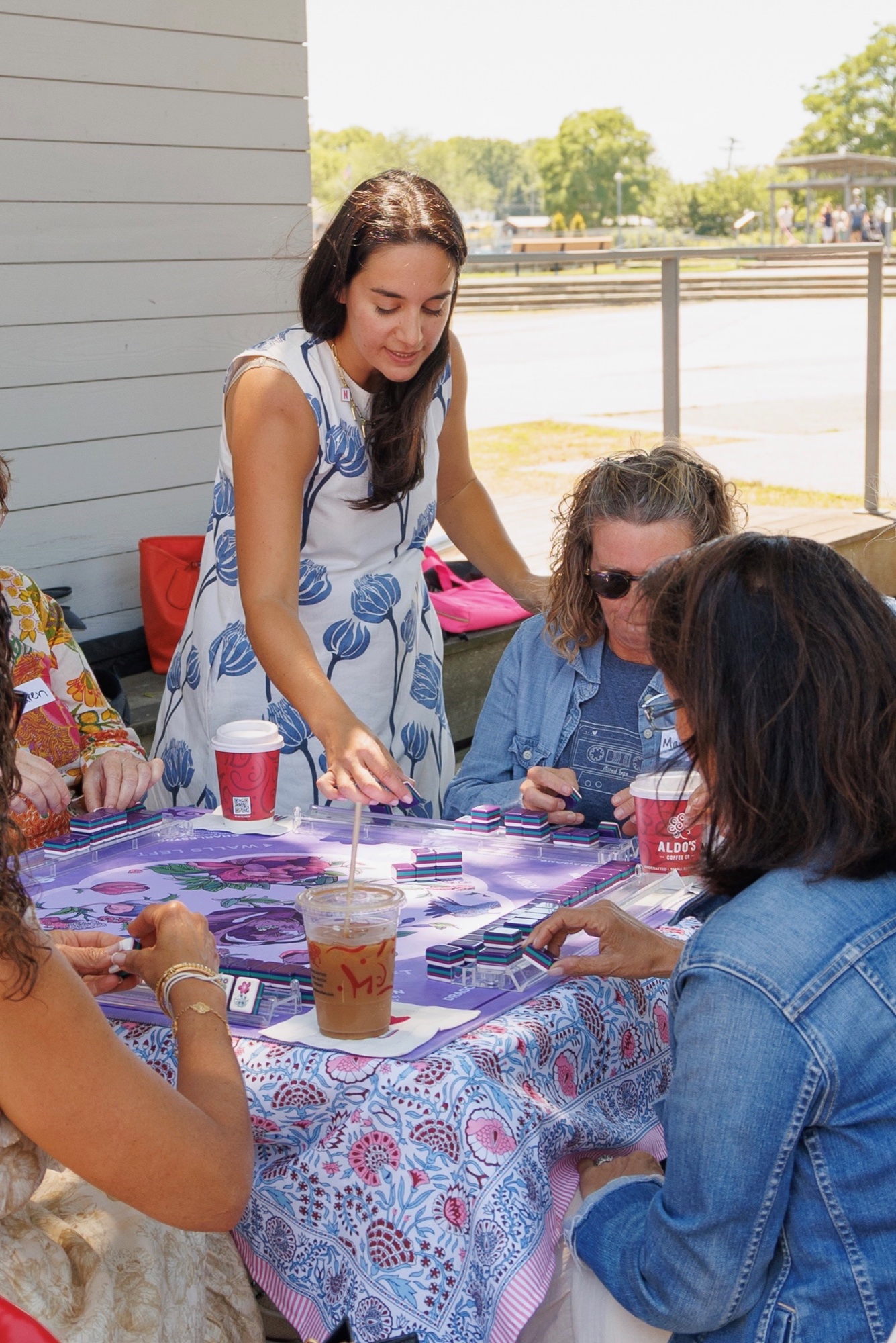
Your first mahjong lesson should feel welcoming, social, and pleasantly hands-on. The goal is not to become an expert in one afternoon. It is to understand the shape of the game, complete a few guided hands, and leave excited to sit down again.
You can arrive as a complete beginner
Most new players worry that everyone else will already know more than they do. At a true beginner lesson, that is exactly why everyone is there. The instructor introduces the tile suits, explains how a hand comes together, and gives the group time to handle the pieces before asking anyone to make a decision.
You may hear unfamiliar words such as Charleston, joker, exposure, bam, crak, and dot. They will make much more sense once the tiles are in front of you. There is no useful homework required before your first class, and guessing your way through an online rule summary is not a prerequisite.
How the lesson usually unfolds
A beginner session moves from recognition to rhythm. You first learn what you are looking at, then how the table is built, and finally how a turn works. Once the basic sequence feels familiar, the group plays with the instructor talking through choices in real time.
A typical first lesson
- Meet the suits, winds, dragons, flowers, and jokers.
- Learn how to build the walls and deal the tiles.
- Read the current National Mah Jongg League card together.
- Practice the Charleston and the flow of a turn.
- Play a guided hand with plenty of time for questions.
What to bring to the table
Bring your reading glasses if you use them and your current National Mah Jongg League card if you already own one. The individual event listing will tell you whether anything else is needed. You do not need to buy a tile set before learning; playing on a few different sets can actually help you discover what size and style you enjoy.
The most useful thing to bring is a little patience with yourself. American mahjong combines pattern recognition, planning, and table etiquette, so it is normal for the first few hands to move slowly. Questions are part of the lesson, not an interruption to it.
What first-time players often ask
Do I need to come with friends?
No. A hosted lesson is one of the easiest ways to meet other local players because the seats and table are already organized. You can reserve one spot and join the group.
Is mahjong difficult to learn?
There are several layers to the game, but you do not learn all of them at once. The first milestone is simply understanding the tiles, turn order, and how to use the card. Speed and strategy come with repetition.
Will I play a real game?
Beginner lessons are designed to get tiles moving. Your first hands may be open or instructor-guided so everyone can see the choices being made. That slower format builds the confidence you need for independent play later.
Choose a table that matches your level
When you are ready to book, look for a listing described as beginner, introductory, or instructional. Open play is better once you can read the card, complete the Charleston, and move through a turn without constant guidance. Our guide to finding a mahjong game on the North Fork explains how to choose the right event format.
NoFo Mahj Club publishes available lessons and hosted games through Mahjoin. Visit the NoFo Mahj Club Mahjoin profile to see upcoming tables, locations, and reservation details in one place.
Your first table is closer than you think
Start with a beginner-friendly seat, give yourself permission to ask every question, and let the rhythm arrive through play.